Have you ever finished a meal and felt that uncomfortable bloating creep in? You’re not alone. Millions of people deal with digestive issues daily. In fact, around 60 to 70 million Americans suffer from digestive diseases each year. These problems disrupt routines, from work to social plans. But here’s some good news: herbal teas offer a simple, natural way to ease these woes. They soothe the gut, reduce inflammation, and promote better digestion without harsh chemicals.
In this article, we’ll explore the best herbal teas for digestion. We’ll dive into their benefits, backed by science and real-world use. Whether you seek relief from indigestion, gas, or constipation, these teas can help. Plus, we’ll share tips on brewing them right and incorporating them into your day. Let’s sip our way to better gut health.
Why Choose Herbal Teas for Digestive Support?
Herbal teas stand out because they come from plants packed with active compounds. These include antioxidants, anti-inflammatory agents, and essential oils that target the digestive system. Unlike caffeinated teas, herbal varieties are gentle and caffeine-free, making them ideal for evening use.
Research shows teas can regulate gut flora and reduce inflammation. For instance, certain herbal teas inhibit starch digestibility by blocking digestive enzymes, leading to smoother processing of food. This helps with common issues like bloating and cramps. Studies also link regular tea consumption to better overall health in older adults, including improved digestion.
But why herbal teas over pills or supplements? They’re affordable, easy to prepare, and enjoyable. Many people report feeling relief after just one cup. If you’re wondering, “Do herbal teas really improve gut health?” the answer is yes—when chosen wisely and used consistently.
The Top 5 Best Herbal Teas for Digestion
Based on expert recommendations and scientific insights, here are the standout options. Each tea targets specific digestive concerns while offering broad gut support.
What Herbal Tea Is Best for Bloating and Gas? Peppermint Tea
Peppermint tea tops the list for tackling bloating and gas. Its menthol content relaxes the muscles in your digestive tract, allowing gas to pass more easily. This reduces that puffed-up feeling after meals.
Science backs this up. Animal studies show peppermint eases indigestion by calming the gut. In human trials, it helps with irritable bowel syndrome (IBS) symptoms like abdominal pain. One review highlights its role in soothing spasms in the intestines. Drink it after eating heavy foods, and you might notice quicker relief.
Real-world example: Many runners sip peppermint tea before races to prevent stomach upset. A cup contains minimal calories but packs antioxidants for overall health. For best results, steep fresh leaves for 5-10 minutes. If you’re prone to acid reflux, though, skip it—peppermint can relax the esophageal sphincter.
How Does Ginger Tea Help with Nausea and Indigestion?
Ginger tea shines for nausea, motion sickness, and indigestion. Its gingerols speed up stomach emptying, so food doesn’t linger and cause discomfort. This spicy root also fights inflammation in the gut.
Clinical reviews confirm ginger’s carminative effects—it reduces pressure on the esophagus and eases cramping. In one study, it helped with gastrointestinal disorders by promoting efficient digestion. Pregnant women often use it for morning sickness, with safe results in moderate amounts.
Picture this: After a bumpy car ride, a warm ginger tea settles your stomach fast. Data shows it can cut nausea by up to 40% in some cases. Brew it fresh by grating root into hot water. Add lemon for extra zest and vitamin C, boosting its digestive punch.
Can Chamomile Tea Soothe Stomach Cramps and Improve Sleep?
Chamomile tea acts as a gentle calmer for stomach cramps and spasms. Its anti-inflammatory properties relax gut muscles, easing pain from indigestion or IBS. It also promotes better sleep, which indirectly supports digestion—poor rest often worsens gut issues.
Studies reveal chamomile’s role in reducing smooth muscle spasms. One trial found it helpful for diarrhea and bloating. With antioxidants like apigenin, it fights inflammation linked to digestive disorders.
In everyday life, parents give chamomile to kids for tummy aches. Adults enjoy it before bed to unwind. A survey of older adults linked regular chamomile intake to fewer digestive complaints. Steep dried flowers for a mild, apple-like flavor. It’s safe for most, but check with a doctor if you have allergies.
Is Fennel Tea Effective for Reducing Bloating and Constipation?
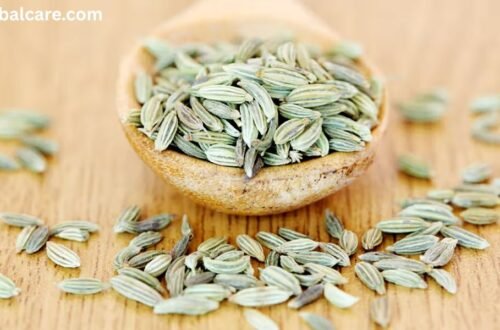
Fennel tea, made from seeds, excels at reducing bloating and constipation. Its anethole compound relaxes the intestines, expelling gas and stimulating bile production for better fat digestion.
Research supports fennel’s antispasmodic effects, making it great for IBS. It also acts as a mild laxative, helping with regularity without harsh side effects. In traditional medicine, it’s used for thousands of years to treat gut woes.
Try it after spicy meals—many Mediterranean cultures do. A study showed it eases gas in infants, hinting at broader benefits. Crush seeds before brewing for stronger infusion. It’s low-calorie and adds a licorice-like taste to your routine.
What Makes Dandelion Tea a Powerful Detox for Digestion?
Dandelion tea, from roots or leaves, supports liver function and acts as a diuretic to flush toxins. This aids digestion by improving bile flow and relieving constipation.
Historical uses include treating dyspepsia and gastritis. Modern research notes its inulin content, a prebiotic that feeds good gut bacteria. It may reduce inflammation and enhance nutrient absorption.
Gardeners might see dandelions as weeds, but foragers brew them for health. One expert calls it a “gentle nudger” for liver detox. Roast roots for a coffee-like alternative. It’s bitter, so sweeten with honey if needed.
How to Brew Herbal Teas for Maximum Digestive Benefits
Brewing right maximizes benefits. Start with fresh, filtered water—avoid tap if it’s chlorinated. Use 1-2 teaspoons of dried herbs per cup.
- Boil water to 212°F for roots like ginger or dandelion.
- Steep leaves like peppermint or chamomile at 200°F to preserve delicate oils.
- Cover while steeping (5-15 minutes) to trap volatiles.
- For stronger effects, simmer roots for 10-20 minutes.
Pro tip: Combine teas, like ginger and fennel, for synergistic relief. Always use loose-leaf for potency—bags can limit extraction. Drink 2-3 cups daily, post-meals.
Practical Tips and Precautions for Using Herbal Teas
Incorporate these into your routine easily. Sip after breakfast to kickstart digestion or evenings to unwind.
- Track symptoms: Note how each tea affects you.
- Pair with diet: Eat fiber-rich foods alongside.
- Stay hydrated: Teas count toward daily water intake.
Precautions matter. Consult doctors if pregnant, on meds, or with conditions like ulcers. Some teas interact with drugs—ginger thins blood. Start slow to avoid side effects like heartburn.
Data shows 40% of Americans skip activities due to gut issues. Don’t let that be you. These teas provide natural, evidence-based relief.
For More Visits: Dailyherbalcare.com
Conclusion
Herbal teas like peppermint, ginger, chamomile, fennel, and dandelion offer powerful, natural support for digestion. They reduce bloating, ease nausea, and promote gut balance, backed by studies and centuries of use. With simple brewing and daily habits, you can transform your gut health.