
Have you ever found yourself marking your calendar, only to realize your period is late again or showing up unexpectedly? Irregular periods can throw off your entire routine, affecting everything from your mood to your plans. But here’s the good news: ancient wisdom from Ayurveda provides gentle, natural solutions to help balance your cycle. In this guide, we’ll explore ayurvedic home remedies for irregular periods, drawing on time-tested practices to support women’s health and hormonal balance.
Ayurveda, the 5,000-year-old system of natural healing from India, views menstrual irregularities as signs of imbalance in the body’s energies, or doshas. By addressing these root causes through diet, herbs, and lifestyle tweaks, you can promote regular cycles without harsh interventions. Let’s dive in and discover how to reclaim your rhythm.
What Are Irregular Periods?
Irregular periods, also known as menstrual irregularities, occur when your cycle deviates from the typical 21-35 day range. This might mean periods that are too frequent, skipped altogether, or vary wildly in length and flow.
Common symptoms include:
- Cycles shorter than 21 days or longer than 35 days
- Heavy or light bleeding
- Spotting between periods
- Accompanying issues like cramps, bloating, or fatigue
Data shows that 14-25% of women of childbearing age experience irregular periods, with higher rates among those with conditions like PCOS. In fact, up to 30% of women report irregularities during their fertile years. These disruptions aren’t just inconvenient they can signal underlying hormonal imbalances or stress.
The Ayurvedic Perspective on Menstrual Health
In Ayurveda, your menstrual cycle is a window into your overall well-being. It’s seen as a natural detoxification process, where the body sheds accumulated toxins (ama) each month. The cycle aligns with the lunar phases, ideally lasting 28 days with painless, moderate bleeding.
Central to this are the three doshas: Vata (air and space), Pitta (fire and water), and Kapha (earth and water). A balanced menstrual cycle depends on harmony among them. For instance:
- Vata-dominant cycles might be scanty, painful, or irregular due to excess “movement” energy.
- Pitta imbalances can cause heavy, inflamed periods with clots.
- Kapha issues lead to prolonged, mucousy flows with bloating.
Ayurveda teaches that apana vayu a sub-dosha of Vata governs downward flow, essential for smooth menstruation. When disrupted, irregularities arise. The goal? Restore balance for a healthy, symptom-free cycle.
What Causes Irregular Periods According to Ayurveda?
From an ayurvedic lens, irregular periods stem from dosha imbalances triggered by modern life. Stress, poor diet, and erratic routines aggravate Vata, the primary culprit in menstrual woes.
Key causes include:
- Stress and Anxiety: Elevates Vata, disrupting hormonal signals. Studies link chronic stress to cycle irregularities in up to 20% of cases.
- Dietary Factors: Cold, processed foods increase Kapha or Vata, while spicy ones inflame Pitta.
- Lifestyle Habits: Irregular sleep or overexercise throws off rhythms.
- Underlying Conditions: Like PCOS, where ayurvedic herbs show promise in regulation.
Real-world example: A 28-year-old office worker named Priya noticed her periods skipping months after long work hours. An ayurvedic consultation revealed Vata aggravation from skipped meals simple changes like warm teas brought her cycle back on track.
Top Ayurvedic Home Remedies for Regulating Periods
Ready to try natural ayurvedic remedies for irregular menstrual cycles? These home treatments focus on pacifying doshas with accessible ingredients. Always start slow and consult a practitioner for personalized advice.
Herbal Teas and Decoctions: Nature’s Balancers
Herbal infusions are ayurveda’s go-to for hormonal harmony. They warm the body, improve circulation, and detoxify gently.
- Ginger Tea: Known as adrak, ginger reduces inflammation and regulates flow. Boil fresh ginger slices in water; sip daily. A study in the Journal of Ayurveda noted its role in easing menstrual pain.
- Fennel Seeds (Saunf): Calms Vata and Pitta. Steep a teaspoon in hot water for 10 minutes. Great for bloating and irregularities.
- Cinnamon Decoction: Enhances blood flow. Mix with honey for a soothing drink. Research supports its use in PCOS-related cycles.
Practical tip: Drink these warm, twice daily, especially pre-period.
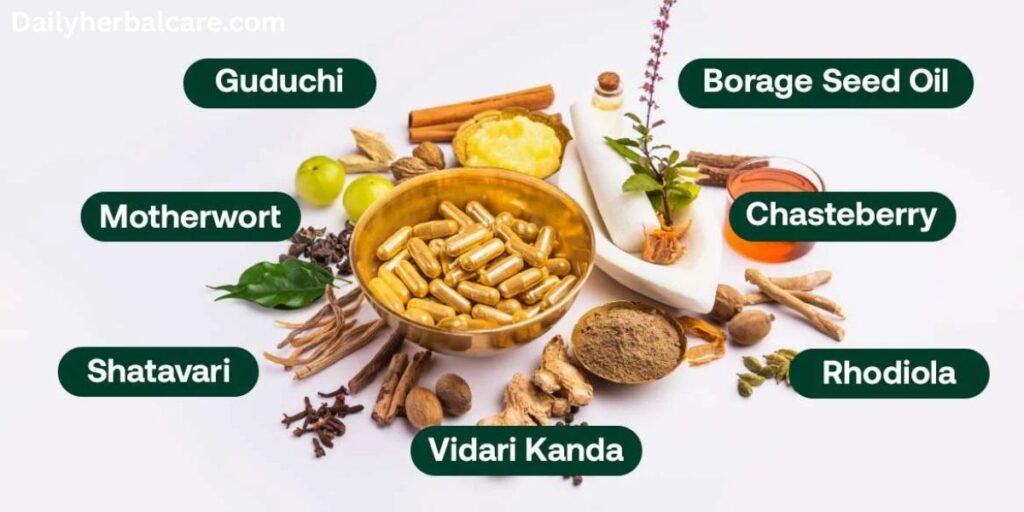
Powerful Herbs for Hormonal Balance
Ayurveda harnesses plant power for long-term regulation.
- Aloe Vera Juice: Detoxifies and balances hormones. Take 2 tablespoons fresh pulp daily. It’s especially helpful for PCOD.
- Shatavari Root: The “queen of herbs” for women. Supports reproductive health and reduces irregularities. A clinical study showed it improved cycles in PCOS patients. Powder it in milk for best results.
- Turmeric (Haldi): Anti-inflammatory golden spice. Add to warm milk or curries. Evidence from ayurvedic trials links it to better flow.
- Sesame Seeds and Jaggery: A sweet mix for Vata balance. Eat a handful during your luteal phase.

Real-world insight: In a 2023 study, women using ayurvedic formulations like Pushyanuga churna saw reduced abnormal bleeding.
Dietary Adjustments for Cycle Harmony
What you eat directly impacts your doshas. Ayurveda recommends warm, nourishing foods to stabilize Vata.
- Focus on whole grains, fresh fruits like papaya, and veggies.
- Avoid caffeine, cold drinks, and processed sugars they aggravate imbalances.
- Include cumin water: Boil seeds and drink for circulation boost.
Tip: Track your cycle with an app while noting food triggers. Many women report steadier periods after switching to ayurvedic meals.
How Can Yoga and Lifestyle Practices Help with Irregular Periods?
Yoga complements remedies by reducing stress and enhancing circulation key for menstrual regulation.
Recommended poses:
- Child’s Pose (Balasana): Relaxes the abdomen.
- Cat-Cow (Marjaryasana-Bitilasana): Improves spinal flexibility and flow.
- Bound Angle Pose (Baddha Konasana): Opens hips, aiding hormonal balance.
Practice 20-30 minutes daily. A review in the Journal of Ayurveda highlights yoga’s role in PCOS management.
Lifestyle tips:
- Sleep by 10 PM to align with natural rhythms.
- Practice pranayama (breathing exercises) for stress relief.
- Oil massage (abhyanga) with sesame oil calms Vata.

Scientific Backing and Real-World Examples
While ayurveda is ancient, modern research backs many remedies. A 2024 NCBI study found ayurvedic approaches effective for PCOS, reducing symptoms and aiding ovulation. Another trial on Shatavari showed improved irregularities in 80% of participants.
Take Sarah, a 35-year-old teacher with PCOS. After incorporating ginger tea and yoga, her cycles normalized within three months no more skipped periods. Such stories highlight ayurveda’s practical value.
When Should You See a Doctor for Irregular Periods?
While home remedies help, persistent issues warrant professional advice. Consult if:
- Periods stop for three months.
- Bleeding is excessive or painful.
- Symptoms include severe fatigue or weight changes.
Ayurvedic treatments shine alongside medical care, but always rule out conditions like thyroid issues.
For More Visits: Dailyherbalcare.com
Conclusion
Irregular periods don’t have to define your life. By integrating ayurvedic home remedies like ginger tea, shatavari, and yoga you can naturally regulate your cycle, boost hormonal health, and feel more in tune with your body. Remember, consistency is key; give these practices time to work.
Ready to start? Begin with one remedy today, like sipping fennel tea, and track your progress. For tailored guidance, consult an ayurvedic practitioner. Your path to balanced menstrual health awaits take the first step toward feeling empowered and vibrant every month.


