Have you ever finished a meal feeling like your stomach might burst? That uncomfortable swelling, known as bloating, affects millions worldwide. If you’re searching for natural ways to soothe your gut, fennel seeds might just be the answer. These tiny, licorice-flavored powerhouses have been used for centuries in traditional medicine to tackle digestive issues like gas and indigestion. In this article, we’ll dive into how fennel seeds combat bloating, backed by science and practical tips. Whether you’re dealing with occasional puffiness or chronic discomfort, discover why this herbal remedy deserves a spot in your kitchen.
What Causes Bloating and Why Does It Happen?
Bloating occurs when your gastrointestinal tract fills with air or gas, leading to a tight, full feeling in your abdomen. Common culprits include overeating, swallowing air while chewing gum, or consuming gas-producing foods like beans and carbonated drinks. Hormonal changes during menstruation or conditions like IBS (Irritable Bowel Syndrome) can worsen it too.
Did you know that up to 30% of adults experience bloating regularly? This statistic highlights how widespread the issue is, often linked to modern diets high in processed foods. Understanding these triggers helps you address the root cause, and that’s where natural remedies like fennel seeds come in handy.
What Are Fennel Seeds and Their Nutritional Profile?
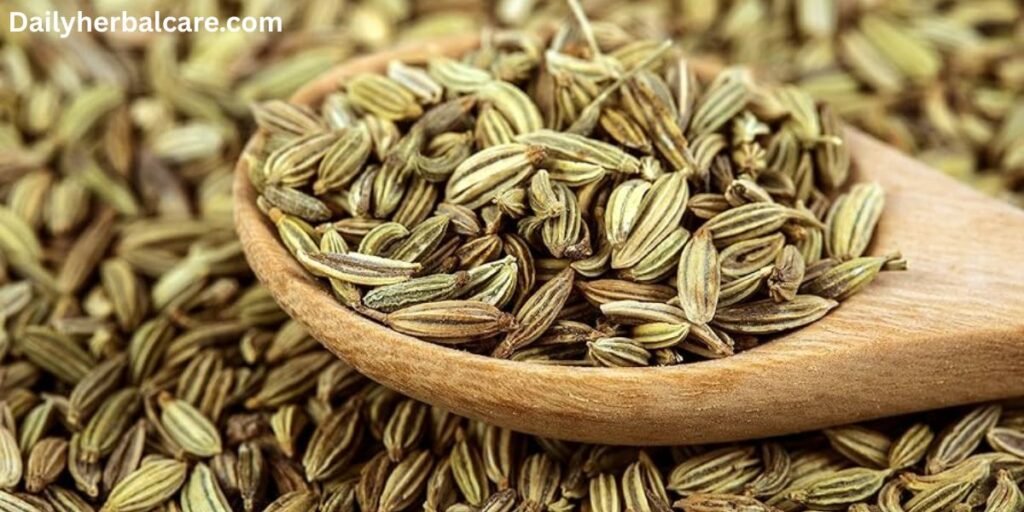
Fennel seeds come from the fennel plant (Foeniculum vulgare), a flowering herb native to the Mediterranean but now grown globally. These small, oval seeds pack a punch with their sweet, anise-like flavor. Nutritionally, a tablespoon offers about 2 grams of fiber, plus vitamins like C and K, and minerals such as potassium and manganese.
Beyond flavoring dishes, fennel seeds contain volatile oils like anethole, which give them their therapeutic edge. This compound acts as a natural antispasmodic, relaxing muscles in your digestive system. No wonder they’ve been a staple in Ayurvedic and Chinese medicine for gut health.
How Do Fennel Seeds Help with Bloating?
Fennel seeds work as a carminative herb, meaning they help expel gas from your intestines. Their anti-inflammatory properties reduce swelling in the gut lining, while fiber aids smoother digestion. Anethole, the star compound, relaxes smooth muscles in the GI tract, easing cramps and bloating.
In simple terms, chewing or brewing fennel seeds stimulates digestive enzymes, breaking down food more efficiently. This prevents undigested particles from fermenting in your gut, which often causes that gassy buildup.
Can Fennel Seeds Really Reduce Bloating Quickly?
Yes, fennel seeds can reduce bloating quickly for many people. Studies show they help relax gastrointestinal muscles, reducing gas and discomfort within 30 minutes to an hour after consumption. For instance, a cup of fennel tea after a heavy meal often brings relief by promoting burping and easing pressure.
The Science Behind Fennel Seeds for Digestion
Research supports fennel’s digestive benefits. A 2022 NIH study found that fennel seed extract downregulates the STAT signaling pathway, protecting the intestinal barrier and reducing inflammation. Another review on WebMD notes fennel’s ability to decrease bacteria that cause gassiness, improving overall gut health.
In a clinical trial involving IBS patients, fennel combined with other herbs reduced bloating symptoms by 40% over four weeks. While more large-scale human studies are needed, these findings align with centuries of anecdotal evidence.
Additional Benefits of Fennel Seeds for Gut Health and Beyond
Fennel seeds don’t stop at bloating. They support weight management by curbing appetite and preventing constipation. Women often use them to ease menstrual cramps, thanks to their estrogen-like effects.
Other perks include:
- Fresh Breath: Chewing seeds neutralizes bad breath naturally.
- Antioxidant Boost: High in flavonoids, they fight oxidative stress.
- Immune Support: Vitamin C content strengthens your defenses.
Real-world example: In India, restaurants offer “saunf” (fennel seeds) post-meal to aid digestion—a tradition that’s spread globally for good reason.
How to Use Fennel Seeds for Bloating Relief
Incorporating fennel seeds into your routine is easy and versatile. Start small to see how your body responds.
What’s the Best Way to Consume Fennel Seeds for Gas?
Chew a teaspoon of raw fennel seeds after meals. This simple habit stimulates saliva and enzymes, reducing bloating fast. For variety, roast them lightly for a nuttier taste.
Is Fennel Tea Good for Bloating and How Do You Make It?
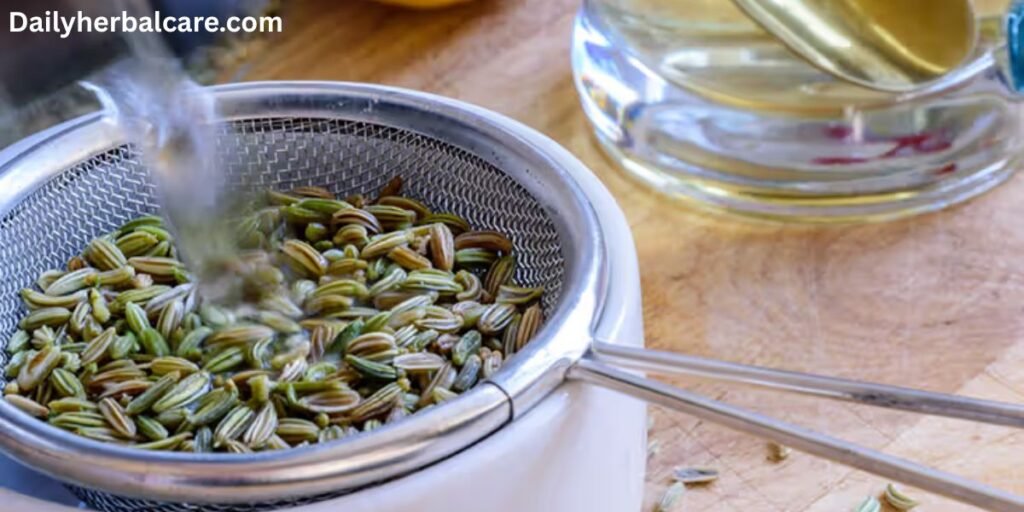
Fennel tea is excellent for bloating. Crush 1-2 teaspoons of seeds, steep in hot water for 5-10 minutes, then strain and sip. Add honey or lemon for flavor. Drink it warm after meals or before bed for overnight relief.
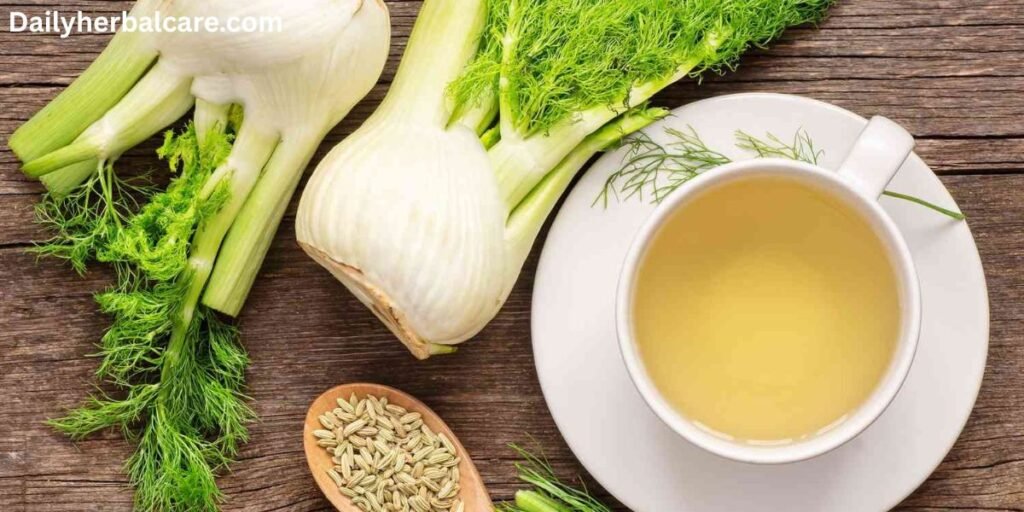
Practical tip: Brew a batch and store in the fridge for iced tea on hot days perfect for summer bloating from dehydration.
Other Creative Ways to Incorporate Fennel Seeds
- In Cooking: Sprinkle ground seeds into salads, soups, or breads for a subtle flavor boost.
- Essential Oil Massage: Dilute fennel oil with a carrier like coconut and rub on your abdomen clockwise to ease cramps.
- With Other Herbs: Combine with cumin or ginger for a potent digestive blend, as suggested in some studies.
Aim for 1-3 teaspoons daily, but don’t exceed to avoid side effects.
Potential Side Effects and Precautions When Using Fennel Seeds
While safe for most, fennel seeds can cause issues if overused. Common side effects include mild nausea or allergic reactions like itching. They may increase sun sensitivity, so use sunscreen.
Precautions:
- Pregnancy: Stick to food amounts; avoid supplements without doctor approval.
- Allergies: Skip if allergic to celery or carrots.
- Medications: Fennel might interact with blood thinners or estrogen pills.
Always consult a healthcare provider if you have underlying conditions.
Real-World Examples and Data-Driven Insights on Fennel Seeds
Take Sarah, a 35-year-old office worker from New York. She struggled with post-lunch bloating until she started sipping fennel tea daily. “It changed my afternoons no more discomfort,” she shares. Similar stories abound on health forums.
Data-wise, a survey by the American Gastroenterological Association found that 20% of respondents use herbal remedies like fennel for digestive woes, with 70% reporting improvement. In animal studies, fennel reduced gut inflammation by up to 50%, hinting at human potential.
For More Visits: Dailyherbalcare.com
Conclusion
Fennel seeds offer a simple, effective way to fight bloating and enhance gut health. From their carminative powers to science-backed benefits, they stand out as a natural alternative to over-the-counter meds. Incorporate them mindfully, and you might find relief in your daily routine.
Ready to try? Grab some fennel seeds from your local store and brew a cup today. If symptoms persist, see a doctor. Share your experiences in the comments what’s your go-to remedy for bloating? Your journey to a flatter, happier tummy starts now!