
Imagine this: You’re in the middle of a busy day when suddenly, a throbbing pain hits one side of your head. Lights seem too bright, sounds too loud, and nausea creeps in. If this sounds familiar, you’re not alone. Migraines affect over 1 billion people worldwide, making it one of the most common neurological disorders. In fact, according to the World Health Organization, headache disorders like migraines impact about 40% of the global population, or roughly 3.1 billion people. Women are hit harder, with prevalence rates around 20%, compared to 10% in men. These attacks aren’t just headaches—they’re debilitating, often disrupting work, family life, and overall well-being. (Natural Treatment For Migraine Headache )
But here’s the good news: You don’t always need prescription meds to find relief. Natural Treatment For Migraine Headache offer a gentle, evidence-based approach to manage symptoms and prevent attacks. From supplements to lifestyle tweaks, these methods can reduce frequency and severity without harsh side effects. In this article, we’ll explore proven natural remedies, backed by research, to help you reclaim your days. Whether you’re searching for “home remedies for migraine relief” or “natural ways to prevent migraines,” you’ll find practical tips here.
What Are Migraines and Why Do They Happen?
Migraines are more than just bad headaches. They involve intense, pulsing pain, usually on one side of the head, lasting from hours to days. Symptoms often include sensitivity to light and sound, nausea, vomiting, and even visual disturbances called auras.
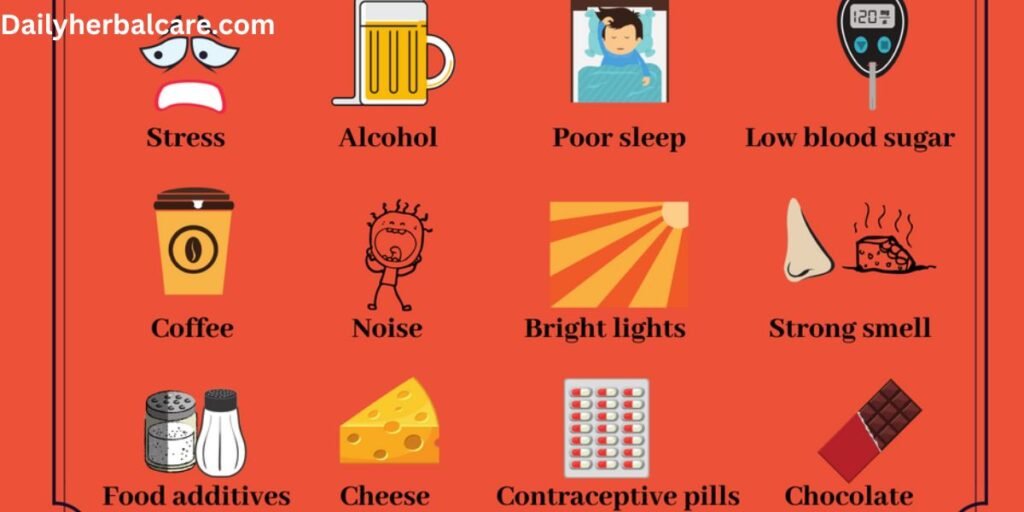
So, what causes migraines? Experts point to a mix of genetic and environmental factors. Triggers vary, but common ones include stress, hormonal changes (especially in women), certain foods like chocolate or aged cheese, lack of sleep, and dehydration. For instance, bright lights or loud noises can spark an attack in sensitive individuals.
Real-world example: Take Lisa, a 42-year-old office worker. She noticed her migraines spiked after skipping meals during deadlines. By tracking her habits, she linked them to low blood sugar—a common trigger.
Understanding your triggers is key. Keeping a migraine diary helps spot patterns, empowering you to avoid them.
Why Choose Natural Treatments for Migraines?
Many turn to natural remedies because they prefer fewer side effects than medications. Research shows these approaches can be effective. For example, a review of studies found that supplements like magnesium reduce migraine frequency by addressing deficiencies linked to attacks.
Natural treatments also promote overall health. They tackle root causes like inflammation and stress, not just symptoms. Plus, they’re accessible—think ginger tea from your kitchen or yoga at home.
Data backs this up: A global study revealed migraines cause significant disability, ranking third in neurological burden. Natural methods could ease this load, improving quality of life without relying solely on drugs.
Top Natural Remedies for Migraine Relief
Ready for relief? Here are evidence-based options. Always consult a doctor before starting, especially if pregnant or on meds.
What Supplements Can Help Prevent Migraines?
Supplements target nutritional gaps that may fuel migraines. Magnesium tops the list with strong evidence. Studies show 400-600 mg daily reduces attack frequency and intensity. It’s especially helpful for those with low levels, common in migraine sufferers.
Riboflavin (Vitamin B2) is another winner. At 400 mg per day, it cuts headache days, per multiple trials. Coenzyme Q10 (100-400 mg) supports energy production in cells, lowering severity.
Practical tip: Start low to avoid stomach upset. Combine with food for better absorption.
- Omega-3 Fatty Acids: 1-2 g daily from fish oil reduces inflammation and attacks.
- Alpha Lipoic Acid: 300-600 mg helps with oxidative stress.
- Vitamin D: If deficient, supplementation eases symptoms.
Example: John, 38, added magnesium to his routine. After three months, his monthly migraines dropped from five to two.
Which Herbal Remedies Are Effective for Migraines?
Herbs offer natural pain relief. Ginger stands out—250 mg powder rivals sumatriptan in studies, reducing severity with fewer side effects. Brew it as tea for nausea too.
Feverfew and butterbur have promise. Feverfew (50-100 mg daily) prevents attacks, but check for purity. Butterbur (75 mg twice daily) cuts frequency, but use PA-free versions to avoid liver risks.
Tip: Steep ginger in hot water for 10 minutes. Add lemon for extra soothing.
Can Essential Oils Provide Migraine Relief?
Yes, for many. Peppermint oil, applied to temples, cools and relaxes muscles. Lavender diffused or inhaled calms nerves, per research.
How to use: Dilute with carrier oil to avoid irritation. Massage gently during onset.

How Does Acupuncture Work for Migraines?
This ancient practice inserts thin needles to balance energy. Studies show it reduces migraine days as effectively as meds. It may boost endorphins and ease tension.
Sessions last 30-60 minutes, weekly at first. Many report fewer attacks after 6-8 treatments.
Lifestyle Changes to Manage and Prevent Migraines
Lifestyle plays a huge role. Small shifts yield big results.
Why Is Sleep Important for Migraine Sufferers?
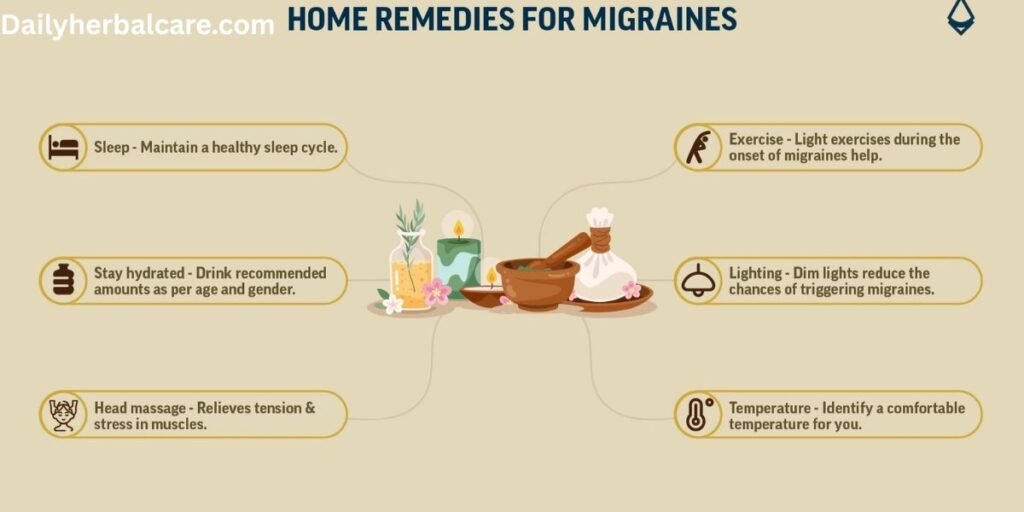
Poor sleep triggers attacks. Aim for 7-9 hours nightly. Regular schedules help—same bedtime, even weekends.
Tip: Wind down with no screens an hour before bed. Use a dark, quiet room.
What Foods Should You Avoid to Prevent Migraines?
Triggers include caffeine overload, alcohol, processed foods, and tyramine-rich items like cheese. Eat balanced meals to stabilize blood sugar.
- Focus on: Whole grains, fruits, veggies, lean proteins.
- Avoid: Chocolate, red wine, MSG.
Keep a food journal. Eliminate suspects one by one.
How Can Exercise Reduce Migraine Frequency?
Regular activity releases endorphins, cutting stress. Walking or swimming 30 minutes daily helps. But start slow—intense workouts might trigger attacks.
Yoga is ideal. Poses like child’s pose relax the neck and back.

Stress Management Techniques for Migraine Prevention
Stress ignites migraines. Try deep breathing: Inhale for 4 counts, hold 4, exhale 4.
Biofeedback teaches control over body responses. Meditation apps guide beginners.
Example: Maria reduced attacks by 50% with daily 10-minute mindfulness.
When Should You See a Doctor for Migraines?
Natural remedies work well, but seek help if attacks worsen, occur more than twice weekly, or include new symptoms like numbness. Sudden severe headaches need emergency care.
Combine naturals with professional advice for best results.
For More Visits: Dailyherbalcare.com
Conclusion
Migraines don’t have to rule your life. With natural treatments like supplements, herbs, and lifestyle changes, you can reduce their grip. Backed by data—such as magnesium’s proven role in prevention—these methods offer hope. Remember, consistency is key. Track progress and adjust.


