
If you’re one of the millions of women who dread that time of the month because of crippling cramps, you’re not alone. Period pain, or dysmenorrhea, affects up to 90% of menstruating individuals at some point in their lives, with severe cases impacting daily activities for about 15-20%. But here’s the good news: you don’t always need to reach for painkillers. Natural remedies can provide effective relief, often backed by science. From soothing heat to herbal teas, these options target the root causes like inflammation and muscle contractions. In this article, we’ll explore the top contenders, drawing on studies and real-world insights to help you find what works best. Whether you’re seeking quick fixes or long-term strategies, let’s dive in.
Understanding Period Pain: Causes and Symptoms
Period pain isn’t just “part of being a woman”—it’s a real medical issue that deserves attention. Primary dysmenorrhea, the most common type, stems from prostaglandins, hormone-like substances that cause the uterus to contract and shed its lining. These contractions can reduce blood flow, leading to cramping in the lower abdomen, back, or thighs. Symptoms often include nausea, fatigue, headaches, and mood swings, starting a day or two before your period and lasting up to three days.
Data shows prevalence varies, but a study of young women found 84% experience menstrual pain, with 43% dealing with it every cycle. Severe cases might signal secondary dysmenorrhea from conditions like endometriosis or fibroids—always consult a doctor if pain disrupts your life. The good thing? Lifestyle tweaks can make a big difference.
Why Choose Natural Remedies Over Medication?
Many turn to natural remedies to avoid side effects from over-the-counter drugs like ibuprofen, which can upset the stomach. Natural options promote overall wellness, reducing inflammation and supporting hormonal balance. Plus, they’re often affordable and accessible. Research supports this shift: a review of herbal therapies found they can rival pain meds in effectiveness without the risks. If you’re wondering, “How can I relieve period pain naturally?” keep reading—we’ll cover evidence-based solutions.
Is Heat Therapy the Go-To Solution for Quick Relief?
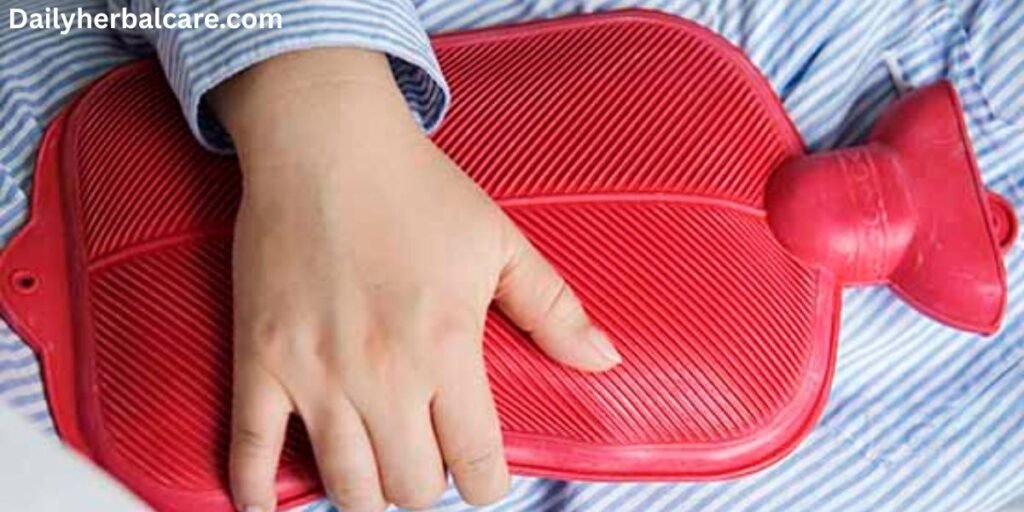
When cramps hit, heat therapy often emerges as the simplest yet most effective natural remedy. Applying warmth to your lower abdomen relaxes tense muscles, improves blood flow, and eases contractions. It’s like giving your uterus a gentle hug.
Studies confirm its power. A systematic review showed continuous low-level heat (around 102°F) is as effective as ibuprofen for pain relief, sometimes even better. In one trial, women using heated patches reported faster relief and fewer side effects than those on acetaminophen.
Practical tips:
- Use a heating pad or hot water bottle for 15-20 minutes at a time.
- Try adhesive heat patches for on-the-go relief—they last 8-10 hours.
- Add a warm bath with Epsom salts for extra relaxation.
Real-world example: Sarah, a 28-year-old teacher, swears by her reusable heating pad. “It cuts my pain in half within minutes, letting me get through the day without meds.”
Can Ginger Really Outperform Painkillers?
Ginger isn’t just for nausea—it’s a powerhouse for menstrual cramps. This root contains gingerol, which inhibits prostaglandin production, reducing inflammation and pain intensity.
Multiple studies back this up. A meta-analysis of randomized trials found 750-2,000 mg of ginger powder daily for the first 3-4 days of your cycle significantly lowers pain scores, often matching ibuprofen’s effects. Another trial showed ginger reduced pain duration from 19 hours to 15 hours. Women in one study reported less severe cramps after sipping ginger tea daily.
How to use it:
- Brew fresh ginger tea: Slice a 1-inch piece, steep in hot water for 10 minutes, add honey.
- Take supplements: Start with 500 mg three times a day, but consult a doctor.
- Avoid if you have gallstones or are on blood thinners.
Example: In a crossover trial, participants found ginger as effective as Novafen (a painkiller) for primary dysmenorrhea. If you’re asking, “What is the best herbal remedy for menstrual cramps?” ginger tops the list.
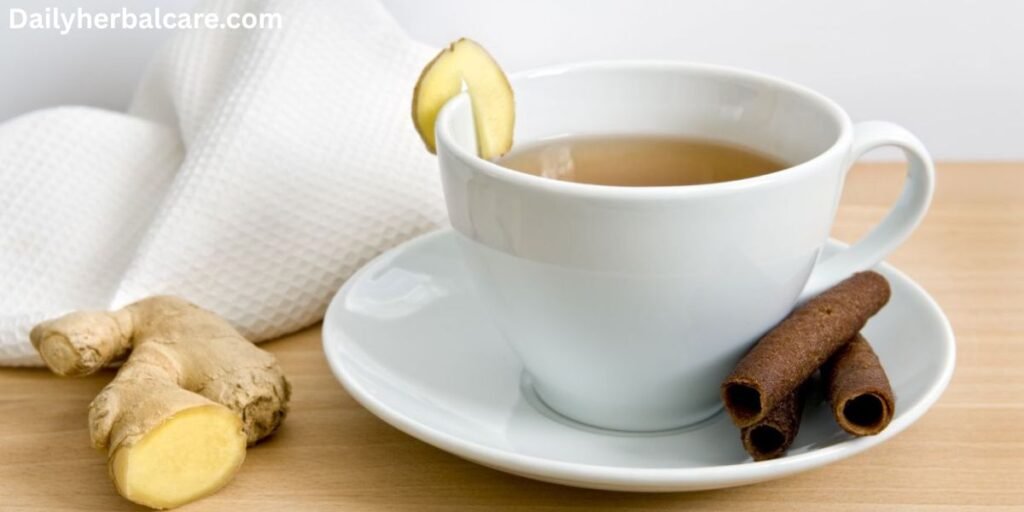 Ginger tea is a simple, effective way to combat period pain naturally.
How Does Yoga Ease Period Discomfort?
Yoga combines gentle movement, breathing, and relaxation to tackle cramps from multiple angles. It lowers stress (which worsens pain), boosts circulation, and stretches tight muscles.
Evidence is strong: A review of 15 studies linked yoga to reduced cramp severity and improved quality of life. In one trial, women doing 60-minute sessions weekly for 12 weeks saw significant pain drops. Poses targeting the abdomen and back work best.
Top poses for relief:
- Child’s Pose (Balasana): Kneel, fold forward—relieves back pain.
- Cat-Cow: Alternates arching and rounding the spine for flexibility.
- Reclined Bound Angle: Opens hips, reduces bloating.
Tip: Practice 20-30 minutes daily during your period. Apps like Yoga for Beginners make it easy.
Real insight: A narrative review noted yoga improves pain tolerance and cuts stress, making cycles more manageable.
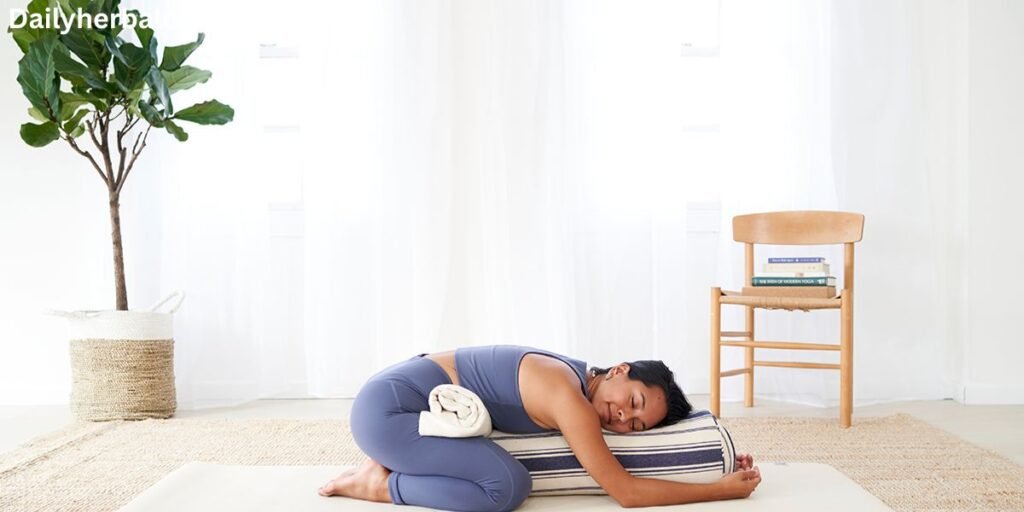
For those wondering, “Does exercise help with period cramps?” yes—yoga’s low-impact style shines here.
What Dietary Changes Can Reduce Cramps Long-Term?
Your plate plays a key role in managing period pain. Anti-inflammatory foods combat prostaglandins, while certain nutrients relax muscles.
Key changes:
- Boost omega-3s: Found in salmon, flaxseeds, and walnuts, they reduce inflammation. A study showed fish oil eases cramps better than placebo.
- Load up on greens: Spinach and kale provide magnesium, which prevents cramping.
- Eat berries and fruits: Antioxidants in berries fight pain; aim for two servings daily.
- Go Mediterranean: This diet—rich in veggies, fish, and olive oil—links to lighter, less painful periods.
Avoid: Salty foods (worsen bloating), caffeine (increases tension), and processed items.
Data-driven tip: A low-fat vegan diet cut pain intensity in a study of 33 women. Stay hydrated—dehydration amps up cramps.
Other Effective Natural Options
Don’t stop at the basics. Essential oils like lavender massaged on the abdomen can soothe cramps, per research. Acupressure points, such as pressing above your ankle, offer quick relief. And light exercise, like walking, boosts endorphins—try 30 minutes thrice weekly.
For More Visits: Dailyherbalcare.com
Conclusion
While no single remedy fits all, heat therapy and ginger stand out as top natural contenders for period pain, often rivaling meds in studies. Combine them with yoga and diet tweaks for optimal results. Remember, if pain persists or worsens, see a healthcare provider to rule out underlying issues.


