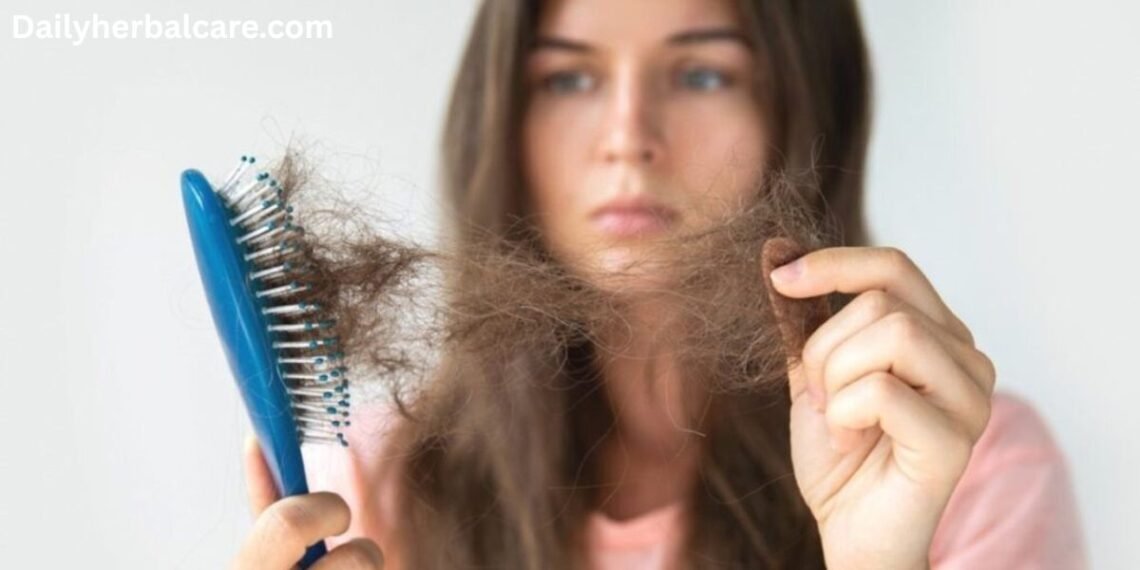
Have you noticed more strands in your brush lately? You’re not alone. Hair fall affects millions worldwide, and it’s often a source of frustration. But what if nature held the key to healthier, thicker hair? In this guide, we’ll explore herbal remedies for hair fall that can help you combat thinning locks naturally. These plant-based solutions have gained popularity for their gentle approach, backed by emerging research and centuries of traditional use.
Hair loss isn’t just a cosmetic issue—it can impact confidence. According to statistics, by age 50, about 85% of men and 40% of women experience noticeable hair thinning. In the U.S. alone, androgenetic alopecia affects around 50 million men and 30 million women. The good news? Herbal treatments offer a safer alternative to harsh chemicals, promoting scalp health and hair growth without unwanted side effects.
We’ll dive into causes, top remedies, practical tips, and more. Let’s get started on your journey to luscious locks.
What Causes Hair Fall?
Understanding why your hair is falling out is the first step to stopping it. Hair fall, or alopecia, happens when the natural hair growth cycle gets disrupted. Normally, you lose 50-100 strands daily, but excessive shedding signals a problem.
Common Triggers of Hair Loss
Several factors contribute to hair fall. Genetics play a big role in androgenetic alopecia, the most common type. Hormonal changes, like those during pregnancy or menopause, can trigger telogen effluvium, where hair enters a resting phase prematurely.
Stress is another culprit. Chronic tension pushes follicles into dormancy, leading to diffuse thinning. Poor nutrition lacks essential vitamins like iron and biotin, weakening strands. Environmental factors, such as pollution and harsh styling, damage the scalp.
Medical conditions add to the mix. Thyroid disorders, autoimmune issues like alopecia areata (affecting 6.7 million Americans), and even medications can cause shedding. Identifying your trigger helps tailor the right herbal remedy for hair fall.
Why Choose Herbal Remedies for Hair Fall?
Synthetic treatments like minoxidil work, but they often come with irritation or dependency. Herbal options, on the other hand, nourish from within. They boost circulation, reduce inflammation, and provide antioxidants—key for healthy follicles.
Research shows herbs can stimulate growth by affecting enzymes and hormones. Plus, they’re cost-effective and accessible. Many people report thicker hair after consistent use, making them ideal for natural hair fall treatment.
Top Herbal Remedies to Stop Hair Fall Naturally
Ready to try nature’s best? Here are proven herbs for hair growth. Each targets specific issues like dryness or weak roots.
How Does Aloe Vera Help with Hair Fall?
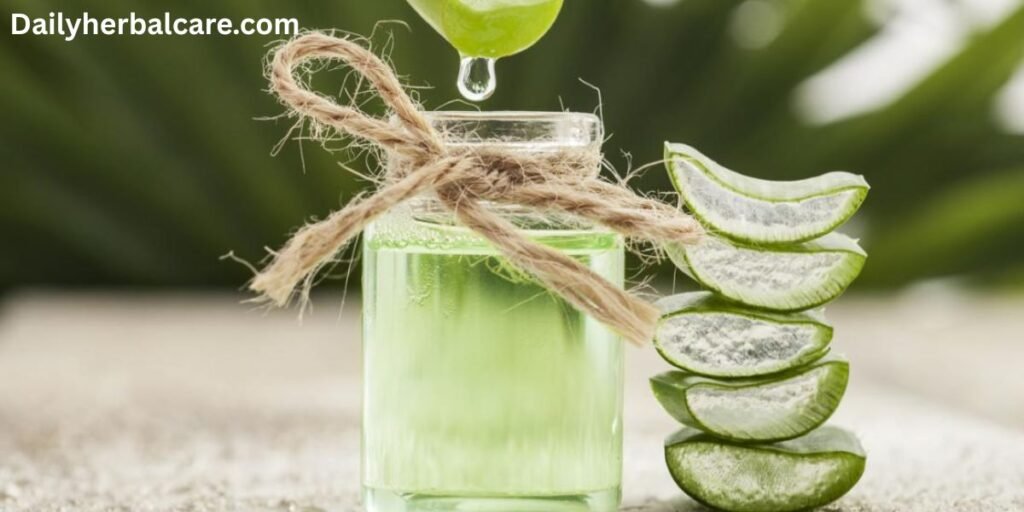
Aloe vera tops the list for its soothing properties. This succulent plant balances scalp pH, reduces dandruff, and unclogs follicles. Its enzymes promote growth, making it a go-to for natural remedies for hair loss.
Studies suggest aloe vera improves hair thickness by hydrating strands. In one real-world example, a woman in her 30s battling postpartum hair fall applied fresh gel twice weekly. Within months, she noticed less shedding and shinier hair.
Can Rosemary Oil Reduce Hair Thinning?
Rosemary oil rivals minoxidil in efficacy. It enhances blood flow to the scalp, delivering nutrients to follicles. Antioxidants fight free radicals that cause premature graying and loss.
A study found rosemary increased hair count in androgenetic alopecia patients after six months. Mix it with a carrier oil for a weekly massage—many users swear by its invigorating scent and results.
What Makes Hibiscus a Powerhouse for Hair Strength?
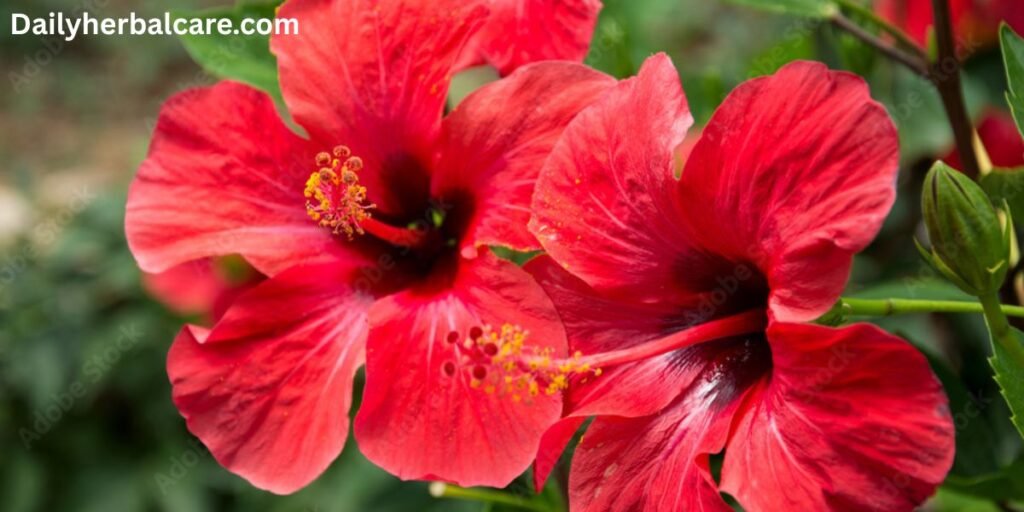
Hibiscus flowers and leaves condition hair, preventing breakage. Rich in vitamins C and A, they stimulate collagen production for stronger roots.
Research highlights hibiscus for reducing dryness and promoting thickness. A yoga instructor shared how hibiscus tea rinses transformed her frizzy, falling hair into smooth tresses after consistent use.
Is Coconut Oil Effective for Nourishing Scalp and Hair?
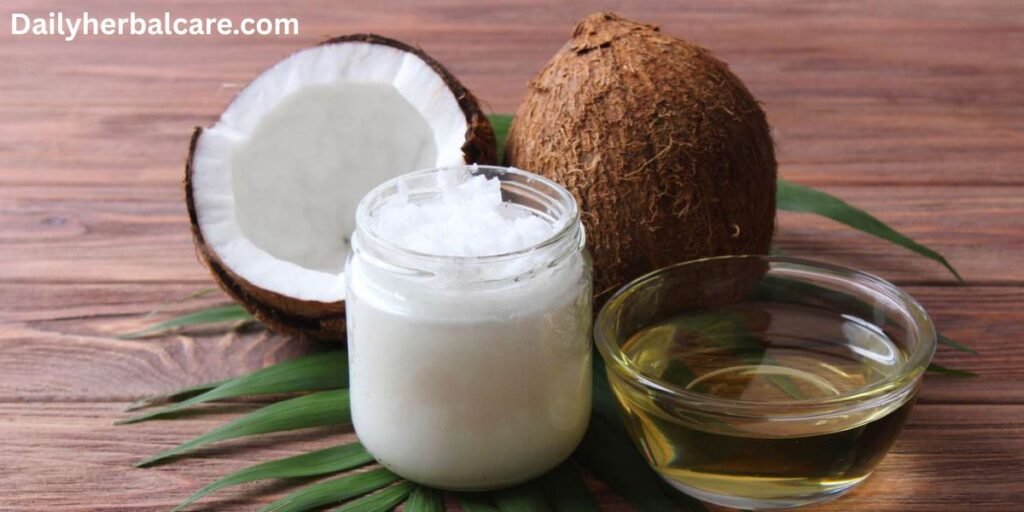
Though not strictly an herb, coconut oil pairs well with them. Its fatty acids penetrate shafts, reducing protein loss. It combats fungal infections that lead to dandruff-related fall.
Users in tropical regions have used it for generations. Data shows it boosts shine and prevents damage from styling.
Other Potent Herbs for Hair Regrowth
Don’t stop at the basics. Try these:
- Bhringraj: Known as the “king of herbs” in Ayurveda, it darkens hair and halts fall. Apply as oil for best results.
- Amla (Indian Gooseberry): Packed with vitamin C, it prevents premature graying and strengthens follicles. Eat it or use in masks.
- Fenugreek Seeds: Soak and grind into paste to reduce inflammation and add shine.
- Ginseng: Stimulates follicles; studies show it enhances growth in mice and humans.
- Pumpkin Seed Oil: Blocks DHT, a hormone linked to baldness. A 24-week study reported 40% hair increase.
These herbs work synergistically for comprehensive care.
How to Use Herbal Remedies Effectively
Incorporating herbs into your routine is simple. Start with patch tests to avoid allergies.
Practical Tips for Daily Use
- DIY Masks: Blend aloe vera gel with coconut oil. Apply for 30 minutes, rinse twice weekly.
- Oils and Infusions: Warm rosemary oil and massage into scalp. Leave overnight for deep nourishment.
- Rinses: Boil hibiscus petals for a final rinse after shampooing—it seals cuticles.
- Diet Integration: Consume amla juice or ginseng tea for internal support.
Consistency matters. Aim for 3-6 months to see changes. Combine with a balanced diet rich in proteins and omega-3s.
For best herbal remedies for hair fall in women, focus on hormone-balancing herbs like saw palmetto.
Scientific Evidence Supporting Herbal Treatments
Skeptical? Science backs many claims. A review of natural compounds found anti-inflammatory herbs like urtica dioica reduce loss. Pumpkin seed oil’s DHT-blocking effect is data-driven.
Green tea and aloe vera promote growth via antioxidants. While more human trials are needed, initial results are promising.
Real-World Success Stories
Take Sarah, a 45-year-old teacher. Stress caused her hair to thin. Using rosemary and aloe masks, she regained volume in four months.
Or Mike, who tried pumpkin seed supplements. His receding hairline stabilized, boosting his self-esteem. These anecdotes, echoed in forums, show herbs’ potential.
Precautions and When to See a Doctor
Herbs are generally safe, but consult a doctor if pregnant or on meds. Avoid overuse to prevent greasiness.
If fall persists or accompanies symptoms like fatigue, seek medical advice—it could signal underlying issues.
For More Visits: Dailyherbalcare.com
Conclusion
Herbal remedies for hair fall offer a gentle, effective path to stronger strands. From aloe vera’s hydration to rosemary’s stimulation, these natural solutions address root causes. Backed by studies and real experiences, they empower you to take control.


