
Every parent knows the drill: Your little one clutches their belly and whimpers, “My tummy hurts!” Stomach aches in kids happen often, and they can disrupt playtime, mealtimes, or even a good night’s sleep. But here’s some reassuring news – most tummy troubles are mild and resolve quickly with simple care at home. In fact, one in six parents reports their child experiences abdominal pain at least once a month. That’s a lot of upset stomachs!
As a parent, you want quick, safe relief without rushing to the doctor every time. This article dives into natural remedies for children’s stomach pain, backed by expert insights and real-world tips. We’ll cover causes, when to worry, and proven home solutions like ginger for kids’ indigestion or the BRAT diet for upset tummies. Whether you’re dealing with a toddler’s gas pains or a school-ager’s anxiety-related ache, these strategies can help. Let’s get your kid feeling better fast.
Understanding Stomach Aches in Children
Stomach pain, or abdominal discomfort, affects kids of all ages. It might feel like a dull ache, sharp cramps, or bloating. Globally, functional abdominal pain – that’s pain without a clear medical cause – impacts about 13.5% of children. But why does it happen so often? Kids’ digestive systems are still developing, making them prone to tummy issues.
What Causes Stomach Pain in Kids?
Many factors trigger stomach aches in children. Identifying the cause helps you choose the right remedy. Here are common culprits:
- Constipation: This tops the list. If your child hasn’t pooped in days, built-up stool can cause cramps. Studies show it’s a frequent issue in 1- to 5-year-olds, often linked to low fiber intake.
- Gas and Indigestion: Overeating, swallowing air while eating fast, or bubbly drinks lead to bloating. For example, after a birthday party with too much cake, your kid might complain of a gassy tummy.
- Infections: Viral bugs like gastroenteritis (stomach flu) cause pain, nausea, and diarrhea. Food poisoning from undercooked food is another offender.
- Anxiety or Stress: Emotional factors play a big role. About 10% of kids with recurrent pain have stress-related issues, like back-to-school nerves. The pain feels real, but it’s tied to worries.
- Food Intolerances: Lactose issues or allergies to dairy, gluten, or nuts can spark discomfort. Heartburn from acidic foods like citrus might mimic a stomach ache.
- Other Causes: Less common but possible include urinary tract infections, appendicitis, or even air swallowing during play.
If the pain follows a pattern – say, after meals – track it in a journal. This helps spot triggers like dairy for an intolerant toddler.
When Should You See a Doctor for Your Child’s Stomach Ache?
Most stomach aches fade within hours, but some signal serious problems. Don’t ignore red flags. Call your pediatrician if the pain lasts more than a week, even if it comes and goes. Seek immediate help for:
- Severe, unrelenting pain that worsens over time.
- Fever above 100.4°F (38°C) in infants or 102°F (39°C) in older kids.
- Vomiting blood, bloody stools, or persistent diarrhea.
- Swollen belly, difficulty breathing, or loss of consciousness.
- Pain that wakes them at night or stops play.
For instance, if your child has sharp pain on the lower right side, it could be appendicitis – head to the ER. Better safe than sorry; early checks prevent complications.
Effective Home Remedies for Stomach Aches in Kids
Good news: You can ease most mild tummy pains with items from your kitchen or pantry. These natural remedies for kids’ abdominal pain focus on soothing digestion, reducing gas, and promoting relaxation. Always tailor them to your child’s age – toddlers need gentler options. Start with hydration, as dehydration worsens many issues.
How Can Hydration Help Relieve a Child’s Tummy Ache?
Dehydration often fuels stomach cramps, especially during illness. Encourage small sips of clear fluids like water or diluted juice. Avoid caffeinated or sugary drinks, which can irritate the gut.
Practical tip: For a fussy toddler, try ice pops made from electrolyte solutions. This keeps them hydrated without force-feeding. In one real-world example, a mom shared how her 4-year-old’s post-virus ache vanished after steady sips of broth.
What Is the BRAT Diet and How Does It Soothe Upset Stomachs in Kids?
The BRAT diet – bananas, rice, applesauce, toast – is a go-to for diarrhea-related aches. These bland foods bind stools and ease irritation without overwhelming the gut.
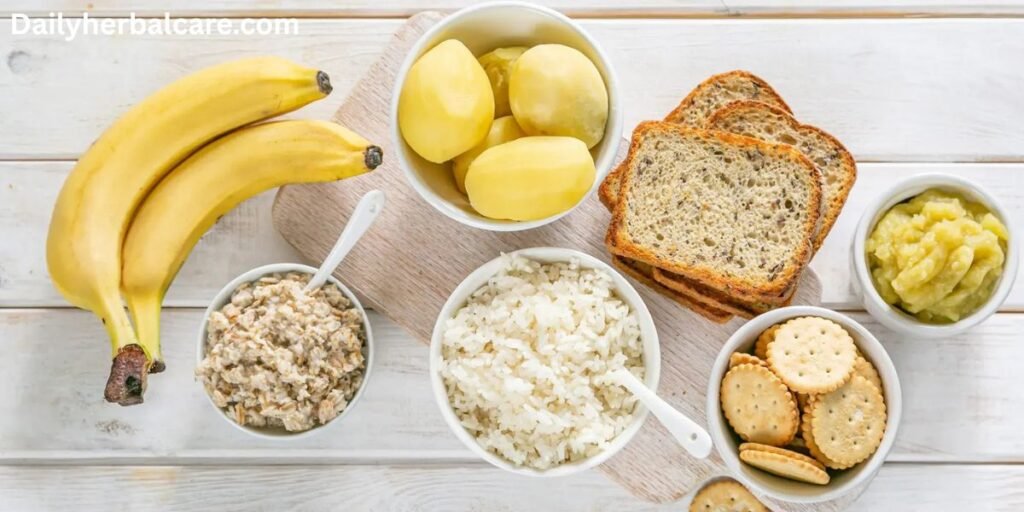
Why it works: Bananas provide potassium to replace lost electrolytes, while rice absorbs excess water in the intestines. Serve small portions; for a school-ager, try toast with a thin applesauce spread.
Data shows this diet helps shorten diarrhea episodes in kids by up to a day. But don’t use it long-term – transition back to balanced meals after 24-48 hours.
Can Ginger Really Ease Stomach Pain in Children?
Yes! Ginger is a superstar for nausea and indigestion. Its compounds, like gingerol, calm the stomach and reduce inflammation.
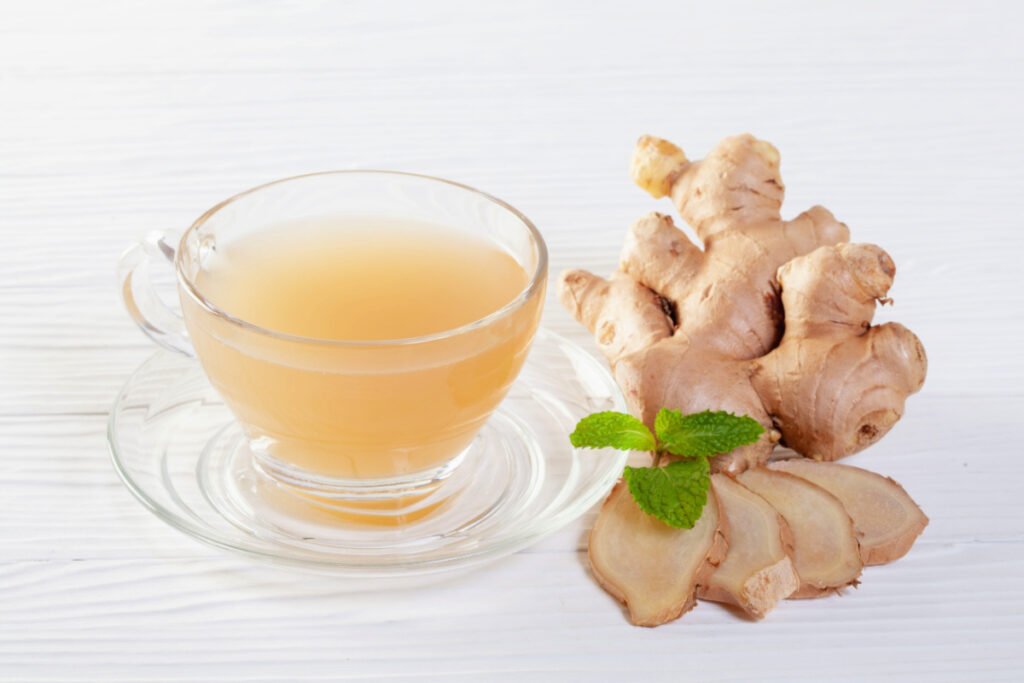
How to use it: Steep fresh ginger slices in hot water for 10-15 minutes, then add honey for sweetness (for kids over 1 year). Give half a cup to older children; toddlers might prefer ginger chews if they’re safe from choking.
A parent tip: One family used ginger tea during car rides to prevent motion sickness-induced aches. Research backs it – ginger outperforms placebos for nausea in kids.
How Does Chamomile Tea Help with Kids’ Tummy Aches?
Chamomile acts as a natural sedative for the gut, reducing spasms and inflammation. It’s great for stress-related pains or mild cramps.
Brew a weak tea (one bag in a cup of hot water, steep 5 minutes) and cool it before serving. Limit to 1-2 cups daily for preschoolers.
Example: A stressed kindergartener might sip chamomile before bed to unwind, easing anxiety-fueled aches. It’s anti-inflammatory properties make it a safe choice for uncomplicated upsets.
Is Peppermint Safe for Children’s Stomach Discomfort?
For school-age kids, yes – peppermint relaxes digestive muscles and fights bloating. Use tea or diluted oil (avoid for under 6 due to choking risks).
Tip: Rub diluted peppermint oil on the belly for external relief. Combine with a gentle massage in clockwise circles to release gas.
What About Warm Compresses for Abdominal Pain Relief?
Heat boosts blood flow and relaxes muscles, perfect for cramps or gas. Wrap a warm (not hot) cloth or heating pad in a towel and apply for 10-15 minutes.
Real-world win: Parents report quick relief for constipation pains. Ensure it’s lukewarm to avoid burns on sensitive skin.
Can Probiotics Help Prevent Recurrent Stomach Aches in Kids?
Probiotic-rich foods like yogurt restore gut balance, especially after antibiotics or infections. Opt for plain, low-sugar varieties.
Data insight: Kids with irritable bowel symptoms often improve with daily probiotics. Start small – a spoonful for toddlers – and watch for improvements over weeks.
Other tips:
- Encourage rest; lying down helps digestion.
- Avoid triggers like fried foods or dairy if suspected.
- For gas, try “bicycle legs” – gently pedal your baby’s legs to release bubbles.
Additional Natural Remedies for Toddler Tummy Aches
For little ones, stick to gentle options. Fenugreek seeds mixed in yogurt can ease gas, while asafoetida paste applied externally releases trapped air. Always consult a doctor for infants under 6 months.
For More Visits: Dailyherbalcare.com
Conclusion
Stomach aches in kids are common, but with these home remedies – from ginger tea to the BRAT diet – you can provide fast, natural relief. Remember, most pains stem from everyday causes like constipation or stress, and simple steps like hydration and rest make a big difference. By spotting patterns and using these tips, you’ll help your child bounce back quicker.
If symptoms persist or worsen, don’t hesitate to seek professional advice. Your pediatrician can rule out underlying issues. Ready to try these? Stock your pantry with ginger and chamomile today. For more parenting health tips, subscribe to our newsletter or consult your doctor for personalized guidance. Your kid’s happy tummy starts with you!


